
Mahalaya Amavasya 2026
Mahalaya Amavasya (Tamil: மகாலய அமாவாசை) is a unique day in Hindu culture that is solely dedicated for performing obsequies and pinda pradaan to the souls of our ancestors (maternal and paternal), with an intention to satiate their spirits so that they become satisfied with the rituals that are being performed for them by their offspring. Observed on the Amavasyaa (no moon day) of the dark fortnight of the Ashwin month, this day is also dedicated to honouring and remembering one's non-living ancestors and seeking their blessings. Tarpana (ritual of offering water) is performed by Hindus to pay homage to and get the blessings of their deceased ancestors. It is said that these Vrathas done on this Mahalaya Amavasya will pacify the departed souls and shall liberate them. It is also a time of self-examination, repentance, and seeking forgiveness for past misdeeds ahead of the happy season. Many also hear the recitations of "Mahalaya" or the "Mahishasura Mardini Stotram", an ode of Goddess Durga's power and triumph, marking the start of Navratri and Durga Puja celebrations in some parts in the country.
Mahalaya Amavasya 2026 Date
Mahalaya Amavasya 2026 in India will be observed on Saturday, 10 October 2026
What is the Importance of Mahalaya Amavasya in Hinduism
Mahalaya Amavasya is significant in Hinduism and especially in the Pitru Paksha, a 16-day lunar period dedicated to the ancestors of the family and ancestors of the society. The day brings an end to this two-week period, which is considered as highly inauspicious for conducting Hindu religious ceremonies for the dead and also performing the rites and rituals or shradh, which is a ritual to show respect to one's ancestors, especially towards one's dead parents.
The importance of Mahalaya Amavasya is that it is an important occasion to show our gratitude, seek blessings and appreciate the work of our ancestors. Hindus do different kinds of religious activities like Tarpana, Pinda Pradaan (rice balls offerings) and reading of the sacred verses to offer their homage to their ancestors. They believe that the souls of the departed will be able to leave the Earth because their spirits would have been comforted and satisfied by the prayers and rituals performed by the living.
Mahalaya Amavasya is also a pointer to the circle of life and death, urging the living not to abandon their past and their ancestry. It prompts contemplation on the values, the customs, and the flesh and blood legacy of the preceding generations, while also seeking their spiritual favour (bracha) for the life and health and the success of their living descendants.
Further, it also paves the way for the celebration of other festive events like Navratri and Durga Puja in some parts of the nation, which is followed by the preparation for invoking the goddess and to celebrate the victory of good over evil.
What Is The Puja Vidhi For Mahalaya Amavasya
Mahalaya Amavasya is an auspicious day when people perform rituals and offerings to pay respect to their ancestors and departed souls. Some of the prominent Mahalaya Amavasya rites are:
• Tarpana: Tarpana is the most important ritual which is executed by using water with sesame seeds, barley, or black sesame seeds (til) and offering it to the deceased. This ritual is performed facing south and ancestors are called by name and lineage to bless and thank them.
• Pinda Pradaan: In this ritual the deceased ancestors are provided with some rice balls or pindas to fulfill the spiritual necessities of the ancestors. These are prepared with rice, barley, black sesame seeds and sometimes milk and honey representing nourishment to the soul.
• Mantras and Hymns: Mantras, hymns and prayers from the Vedas, Puranas, or specific ancestral shlokas (pitru stotras) are also chanted on this day. These recitals are thought to bring blessings to the departed soul and lift its spiritual status.
• Holy Sites And Rivers Visit: There are few who visit sacred sites, temples or rivers, that according to Hindu beliefs are auspicious for performing ancestral rituals, on Mahalaya Amavasya. They pray and make Tarpna and Pinda Pradaan at the places of pilgrimage.
• Donations and Charity: It is said to be an auspicious day to donate food, clothing or perform acts of charity in the name of one’s ancestors. Giving food to the poor or donating to the needy in charity is alleged to store up merit for the souls of the dead.
• Listening to “Mahalaya” Broadcast: In some parts of the country, people will tune in to “Mahalaya” or “Mahishasura Mardini Stotram,” which is an incarnation of Goddess Durga representing power and strength. It heralds the beginning of Navratri and Durga Puja in some parts of the country.
The Pitrindak phase is observed on the Mahalaya Amavasya and rituals performed during this time are solemn and respectful in nature to pay homage to one's ancestors, to request blessings of the departed souls and to ensure their spiritual advancement. These represent the thanks and memory and the continuation further of all the family's tradition, in the Hindu practice culture.
How Is Mahalaya Amavasya Celebrated In Different States Of India
Mahalaya Amavasya, the day of beginning of Krishna Paksha in Ashwin month, is also observed differently in different regions, and as per the rituals and traditions followed in each region of India. Here's how Mahalaya Amavasya is observed across the country:
• West Bengal: In West Bengal, Mahalaya Amavasya is the day which marks the beginning of Durga Puja preparations. Early in the morning, folks listen to the radio show "Mahishasura Mardini," which is a recording of hymns that are meant to remind Goddess Durga's victory over the demon Mahishasura. Worshippers pray and make sacrifices to their ancestors beside the Ganges. The Durga Pooja week starts shortly after Mahalaya.
• Kerala: In Kerala, Mahalaya Amavasya is celebrated as Pithru Tharpanam day. At home or in a temple, Hindus make offerings of prayers to the gods, and particularly to the souls of deceased ancestors. Almost everywhere, people go to riverbanks or beaches to do this.
• Tamil Nadu: Mahalaya Amavasya, also called Mahalaya Paksha, is the time to perform rituals to pay respects to our ancestors. Families present pindas (balls of rice) to their deceased members and perform tarpana rituals at temples or on the banks of rivers or other water bodies. The ancestors' day is found very important to observe.
• Maharashtra: In Maharashtra, families perform the rituals of Tarpana and Pinda Pradaan to remember the ancestors on the day. People go to temples, pray to their forefathers and perform certain rituals near the banks of rivers.
• Gujarat: Families in Gujarat perform the prayer, Tarpana and Pinda Pradaan on Mahalaya Amavasya. They go to temples and do ancestral pujas by the water, providing food and water to ancestors who have left the earth.
• Andhra Pradesh and Telangana: In these states, Mahalaya Amavasya is called Mahalaya Pindaanam or Mahalaya Shraddham. Families hold religious rituals (shraddha) and make pinda (offering of rice balls) to the spirits of dead relatives at home or in temples. They also go to river-shores, temples to do the same.
However the basic theme of honouring the ancestors and performing rituals are the same, the customs, rituals, prayers and how the festival of Mahalaya Amavasya is observed do differ according to the regional traditions and practices of the varied regions of India.
Mahalaya Amavasya Date
| Year | Date | Day |
|---|---|---|
| Mahalaya Amavasya 2023 Date | 13 October 2023 | Friday |
| Mahalaya Amavasya 2024 Date | 02 October 2024 | Wednesday |
| Mahalaya Amavasya 2025 Date | 21 September 2025 | Sunday |
| Mahalaya Amavasya 2026 Date | 10 October 2026 | Saturday |
| Mahalaya Amavasya 2027 Date | 29 September 2027 | Wednesday |
You may also like …
























Are You The Proud Hindu?
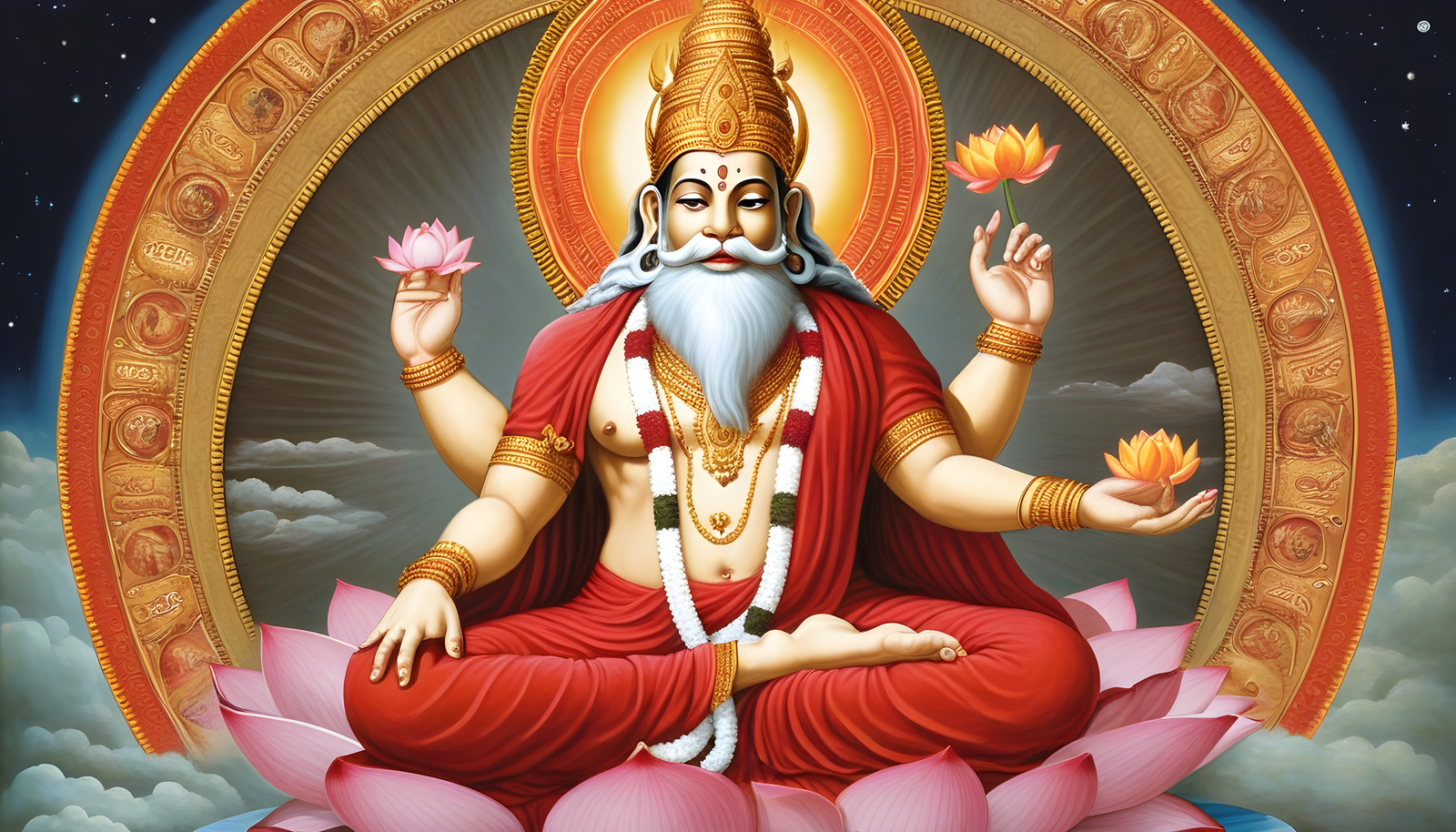
The Trimurti

Create an account to join us and start taking part in conversations.
SIGNIN