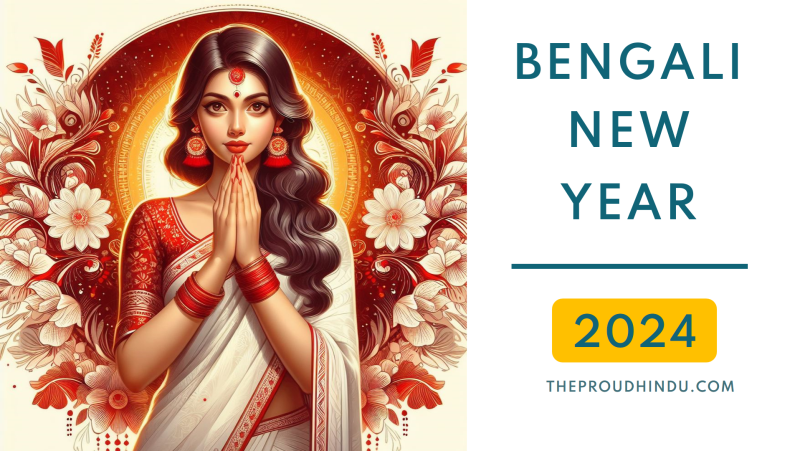
About Bengali New Year 2026
The Bengali New Year or "Pohela Boishakh" is an important cultural celebration in the Bengali society and it is celebrated in Bangladesh and West Bengal state of India. Here’s what you need to know about Pohela Boishakh:
Bengali New Year 2026 Date
The Bengali New Year, or Pohela Boishakh, will be observed on Wednesday, 15 April 2026.
Shubho Noboborsho
The traditional Bengali greeting for Happy New Year is Shubho Noboborsho; Shubho means Happy or Good, and Noboborsho means the Bengali New Year. It has cultural importance in being widely used by people from Bengali in Bangladesh and West Bengal and among Bengali diaspora in old years wishing and blessing for the new year.
"Pohela Boishakh" heralds the advent of the Bengali New Year and is celebrated at the start of the month of Boishakh, the first month of the calendar year, which typically falls on the 14th April. On this special day, people wish each other 'Shubho Noboborsho' as they gather with family and friends to celebrate the festival with cultural events, traditional music, dance, processions, feasting and all cultural programmes.
Bengali New Year and Its Cultural Importance
The Bengali New Year, called "Pohela Boishakh", is of great cultural importance to both Bengali and Bengali-speaking people of India's West Bengali state. Just to give you a sense of its cultural significance:
1. Heritage and Tradition: The Bangla culture-loving people celebrate Pohela Boishakh as the symbol of their rich cultural heritage and traditional roots. It is also the start of the Bengali calendar year and associated with the history and tradition of the region.
2. Relation to Agriculture: This festival is associated with agriculture and the beginning of the harvest season unit. It is the season when farmers begin to work the land, representing rebirth, fertility and prosperity for the land.
3. Unity and Solidarity: One of the most important aspects of Pohela Boishakh is that it makes everyone unite. Relatives, friends and community members come together to celebrate strengthening relationships and a sense of belonging among Bengali people.
4. Cultural Extravaganza: Processions and cultural programs including music and dance performances and folk art displays make the celebrations more colourful and vibrant. These are avenues through which a rich cultural mosaic of Bengal is brought to the fore, and traditional art forms and practices are celebrated and sustained.
5. Rituals and customs: Several special events, such as the "Mongol Shobhajatra" procession, which is a colourful procession that demonstrates the history and culture of Bangladesh as well as the issues facing the people, form an important part of the festival. Traditional dress, music and feasting also feature prominently in the celebrations.
6. Symbol of New Start: This special day is considered to be the ideal day for making a fresh new start on things; it’s considered to be an auspicious day to start new things. It’s a moment to look back on the year-in-boxing and ahead to the future, always optimistically and positively.
7. Art and Craft: Artisans and craftspersons demonstrate their skills through fairs and exhibitions, which are organised on Pohela Boishakh, showcasing the diversity of crafts, arts and cultural expressions that is transmitted through generations, and thereby mainstreams these activities by preserving the traditional crafts.
Pohela Boishakh is more than only changing the national year, this is a occasion for Bengali culture and customs. It’s a celebration of culture, art, tradition, and the infectious spirit that is so inherent in the Bengali lifestyle. Encapsulates the ideal of community, art, heritage and the color and vibrancy that is the Bengali way of life.
How is bengali new year celebrated in different parts of the world.
Poila Boishakh (the Bengali New Year), which is celebrated not just in Bengal (both in Bangladesh and in the Indian state of West Bengal) but also in Bengali communities across the globe, is observed with much fanfare. Here’s how it is honored around the world:
Bangladesh: Pohela Boishakh is a national holiday in Bangladesh, and a major festive day celebrated with much enthusiasm. People dress in festive attire, observe various rituals, and celebrate with processions, song, dance, and performances, particularly about the genesis of it and the historical moment it celebrates, including the "Mongol Shobhajatra" parade in Dhaka, which is very popular with students of the University of Dhaka and Dhaka University of Engineering and Technology. Celebrations include various cultural programs, street celebrations, fairs, music, folk songs, dance, and food.
West Bengal, India: In West Bengal, as well as like all of Bangladesh, Pohela Boishakh is a public holiday and is widely celebrated with processions, fairs and cultural performances. You know, like going to temples offering prayers. The "Mongol Shobhajatra" is also a tradition that is followed in several regions, which exists for national identity and solidarity and cultural heritage.
Overseas Bengali and Bengali communities: Bengalis from the Indian states of West Bengal and Tripura, and those from the country of Bangladesh account for the majority of overseas Bengali population.In these places, Bengali cultural associations and Bengali ethnic associations organize Pohela Boishakh events, as well as cultural and social activities all year round. Such celebrations are supported by cultural performances, traditional music, dance, along with serving typical Bengali food, giving the expatriates a taste of a connection back home and reinforcing our cultural identity.
Online Celeberations: With increased global connectivity Bengali diaspora observes Pohela Boishakh through internet celebrations and cultural programmes. Virtual events, online live streaming of cultural performances and social media engagement are enabling people from all over the world to partake in the celebrations and celebrate the festival together.
Regardless of distance, Bengalis globally continue to maintain their rich cultural heritage and traditions by celebrating Pohela Boishakh, celebrating together, and spreading the true spirit of Bengali culture and heritage to the rest of the world.
What are Bengali New Year traditional foods eaten in Bengal
Bengali New Year or Pohela Boishakh Traditional Foods At the time of Bengali New Year or Pohela Boishakh several traditional foods are given importance and savoured as part of the festival. Some of the traditional Bengali foods that one surely can cook and enjoy at home during these days are;
1. Panta Bhat: Rice which has been left overnight in water and is typically served with fried fish, pickles, and green chilies. The festival represents an imaginary cooling of the hot, humid season of rural Bengal, and is a day for them to bathe.
2. Ilish Bhapa: Hilsa fish is steamed cooked in a delicious paste made from mustard, coconut and other spices. Hilsa or Ilish is an anadromous species of fish and comes in Bengali's food habit.
3. Chingri Malai Curry: Prawn curry cooked in creamy coconut based gravy that has lots of flavors and served with steamed rice or luchi.
4. Shukto: A popular Bengali vegetarian preparation where mixed vegetables like bitter gourd, drumsticks, potatoes, and plaintains are stewed in a creamy, spicy gravy, generally served as first course in a meal.
5. Pitha: Different types of Bengali rice cakes made of rice flour, jaggery, coconut and date palm jaggery (nolen gur) or molasses. Some have other shapes and are steamed, fried or baked.
6. Mishti Doi: A type of sweetened yogurt known for its smooth texture and sweet taste, usually served in earthen wear.
7. Rasgulla : Soft and spongy cottage cheese dumplings soaked in sugar syrup, another iconic sweet from the Bengal.
These culinary creations and more play an important role for the Pohela Boishakh festival in establishing the traditions of Bengal’s culinary culture, which will make the New Year a flavorful and festive time.
Bengali New Year Date
| Year | Date | Day |
|---|---|---|
| Bengali New Year 2023 Date | 15 April 2023 | Saturday |
| Bengali New Year 2024 Date | 14 April 2024 | Sunday |
| Bengali New Year 2025 Date | 14 April 2025 | Monday |
| Bengali New Year 2026 Date | 15 April 2026 | Wednesday |
| Bengali New Year 2027 Date | 15 April 2027 | Thursday |
You may also like …











Are You The Proud Hindu?
The Trimurti


Create an account to join us and start taking part in conversations.
SIGNIN